
In today’s modern work environment, personality differences are no longer something employees must adapt to in order to fit the space. On the contrary, the workplace itself must be designed to accommodate human diversity. An effective office today does not serve only one type of employee; it must simultaneously support both introverted and extroverted individuals. This article analyzes how workspace design can balance these personality types, thereby enhancing performance, experience, and long-term employee engagement within organizations.
For many years, office design has unintentionally favored extroverts. Open layouts, long shared desks, constant discussions, group brainstorming sessions, and high levels of interaction have been regarded as symbols of dynamism and creativity. However, reality shows that not all employees thrive in such environments.
Extroverted employees tend to draw energy from social interaction. They work more effectively when they can exchange ideas, discuss openly, and communicate directly and frequently. For them, the presence of colleagues, moderate noise levels, and continuous interaction can serve as positive stimuli.
In contrast, introverted employees often recharge by working independently or in environments with fewer external stimuli. They typically excel at deep focus, thorough information processing, and thoughtful analysis, requiring quiet spaces to think clearly. When placed in overly open, noisy environments with frequent interruptions, their performance can decline—even though their professional capabilities are in no way inferior. The real question is not which group is “better suited” to modern offices, but whether the workspace is flexible enough to allow both personality types to thrive.
Within any organization, introverts and extroverts coexist across all departments—from creative and operations to finance and management. Each group contributes differently to the company’s value chain. Introverts often excel in roles requiring deep thinking, data analysis, long-term strategy, detailed execution, and risk management. Extroverts, on the other hand, tend to stand out in networking, leading discussions, sales, internal communication, and relationship building.
When a workspace is designed around a single “behavioral standard,” companies inadvertently weaken part of their human capital. Talented employees who do not fit the environment may become fatigued, stressed, or disengaged. Over time, this directly impacts productivity, satisfaction, and employee retention. Designing workspaces that support both introverts and extroverts is therefore no longer just a humane gesture—it has become a strategic approach to human resource management through spatial design.
A common mistake in many offices is attempting to “split” the space—quiet zones for introverts on one side and dynamic zones for extroverts on the other. While seemingly logical, this approach lacks flexibility because human work behaviors are not fixed by personality labels.
An introvert may still need group discussions at certain times, just as an extrovert may require periods of focused, individual work. Rather than rigid separation, effective design should adopt a multi-layered spatial model, allowing individuals to choose environments that match their work state at any given moment. Workspaces are no longer defined by departments, but by levels of privacy, interaction, and sensory stimulation.
 |
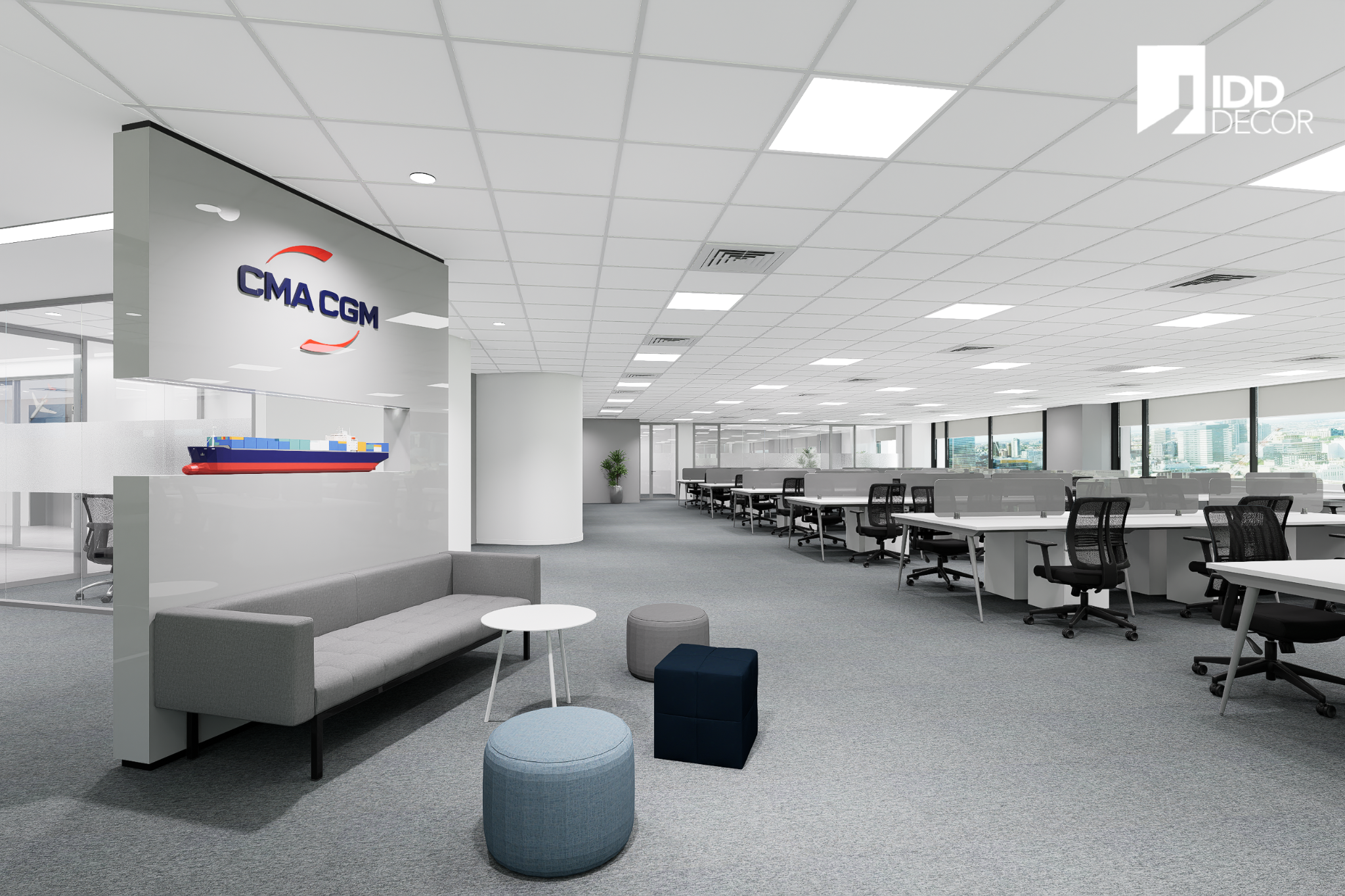
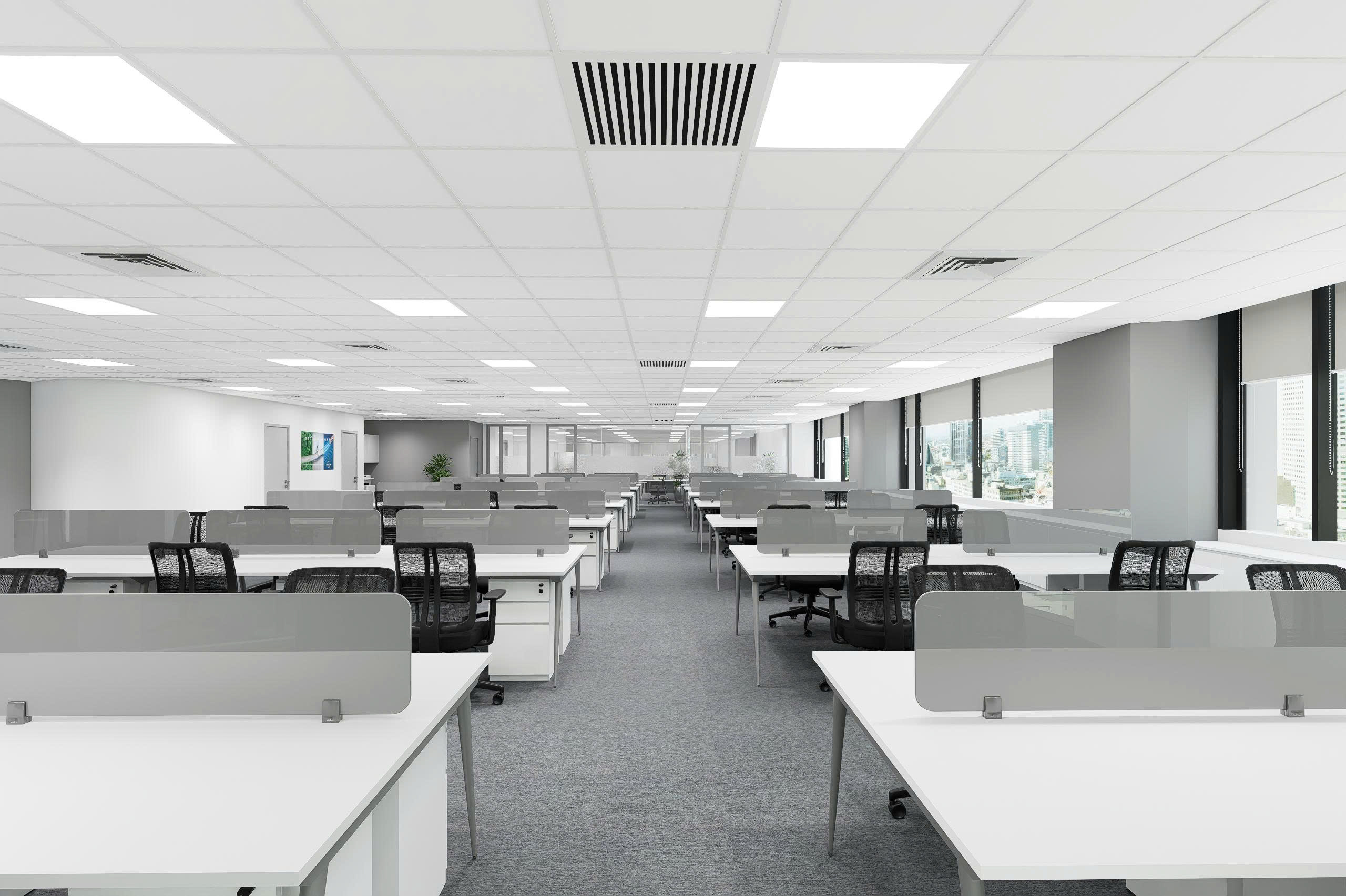
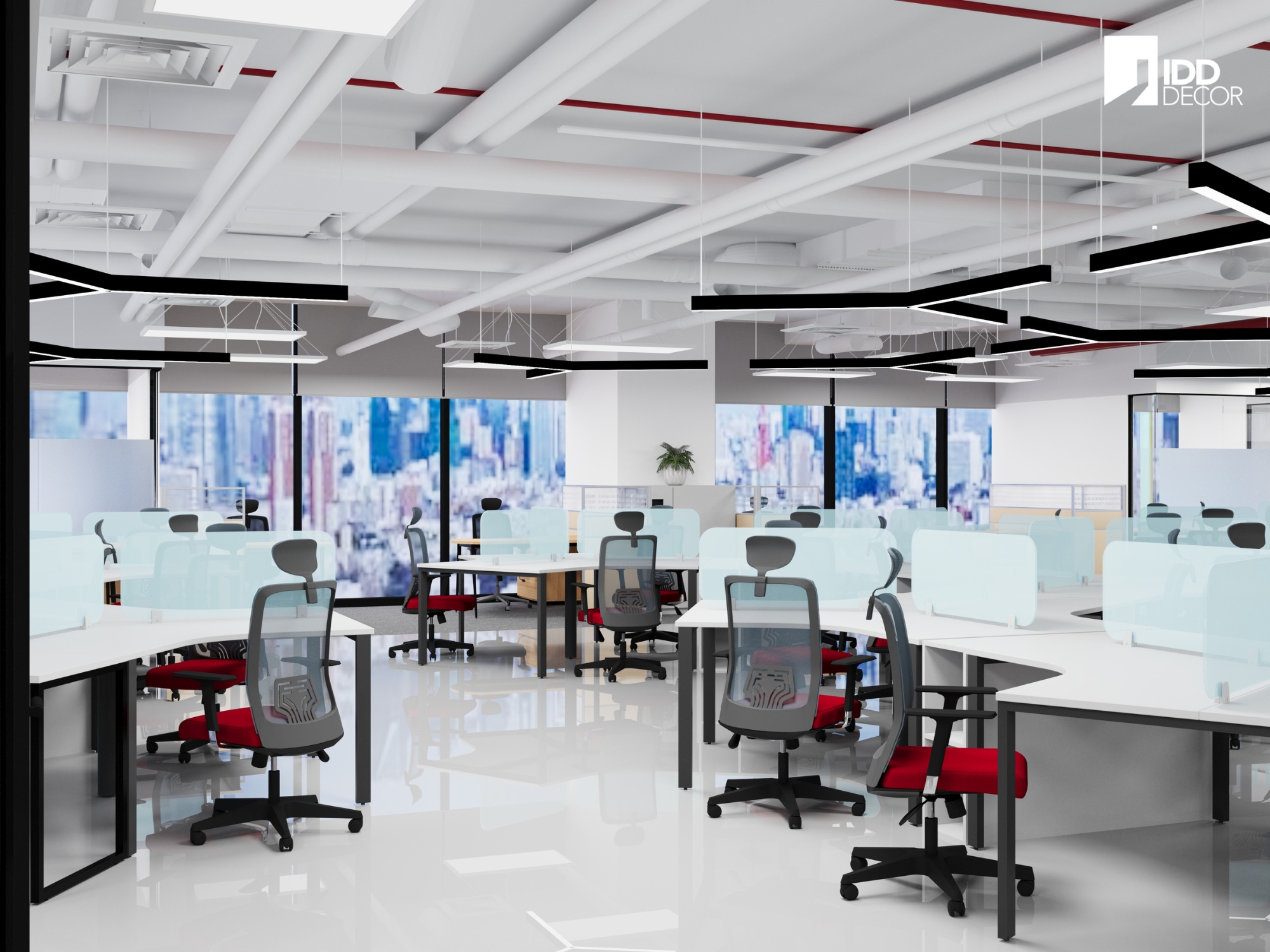
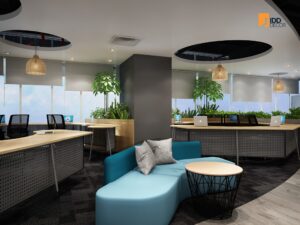
Open Workspaces and How to Prevent Them from Overwhelming IntrovertsOpen workspaces remain an essential element of modern offices, especially for organizations that value connectivity and speed. However, to avoid overwhelming introverted employees, open areas must be carefully designed. Instead of long, linear desk arrangements with complete exposure, current trends favor smaller desk clusters with curved or offset layouts. This reduces direct sightlines, minimizes the feeling of constant observation, and still maintains necessary connectivity. Partition height is another critical factor. Low partitions may hinder focus for introverts, while overly high partitions suppress communication. A balanced solution is semi-enclosed partitions that provide visual privacy without completely isolating sound and interaction. Lighting also requires careful consideration. Excessively bright lighting, strong reflections, or high contrast can create visual stress for individuals sensitive to sensory stimulation. Lighting systems should be evenly distributed, glare-controlled, and complemented with indirect lighting to enhance comfort. Related article: URC Workspace Interior Design |
An office that effectively supports introverts must include dedicated individual focus spaces. These do not have to be fully enclosed rooms; they can be quiet work zones positioned away from main circulation paths. Such spaces are typically small in scale, limited in seating, equipped with sound-absorbing materials, and finished in neutral color palettes. Furniture is kept minimal, with reduced decorative elements to lower visual stimulation and help users enter deep-focus states more easily.
Importantly, these spaces should not feel isolating or punitive. They must be conveniently located, easily accessible, and regarded as a natural part of the office ecosystem—available to anyone when needed.
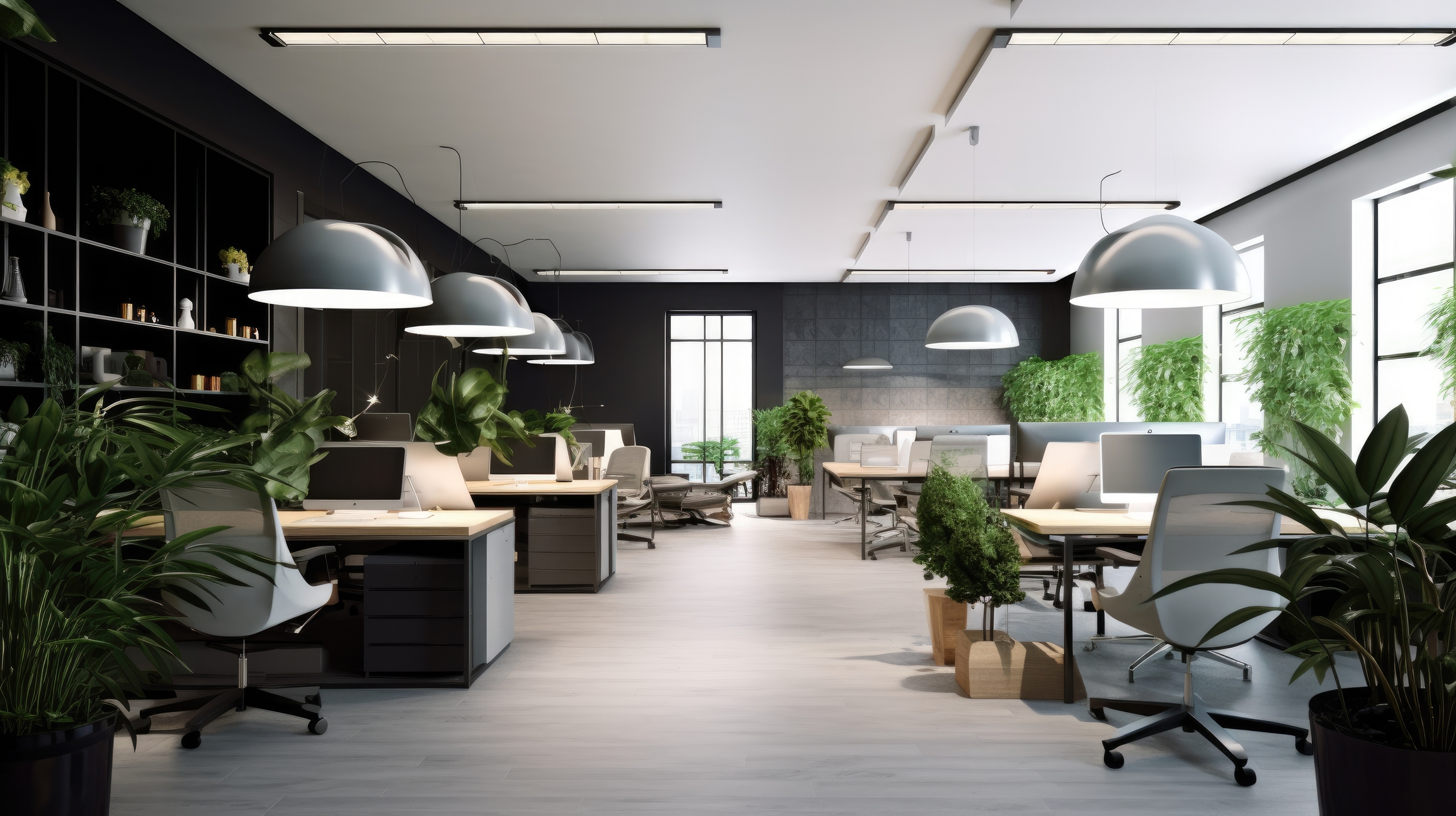
Interaction and Energy Spaces for ExtrovertsAlongside quiet zones, offices need areas where extroverts can leverage their strengths in communication and energy exchange. These may include open discussion zones, standing meeting tables, internal lounges, or pantries designed as social hubs. Such spaces are typically highly flexible, allowing rapid layout changes to support short meetings, brainstorming sessions, or cross-departmental discussions. Colors and materials may be more expressive, combined with accent lighting to stimulate emotions and enthusiasm. Crucially, these areas must be clearly positioned within the overall floor plan to prevent noise and activity from spilling into focus zones. Intelligent spatial layering ensures extroverts have suitable environments without compromising the experience of introverts. Related article: Highly Flexible Prodigious Workspace Design |
 |
When designing for both introverts and extroverts, acoustics are often underestimated despite their significant impact. For introverts, uncontrolled noise is one of the leading causes of fatigue and reduced productivity.
Modern workspace design must integrate acoustic solutions from the outset—from ceiling, wall, and floor materials to furniture layout. Sound-absorbing surfaces, carpets, fabric panels, and perforated gypsum ceilings help reduce reverberation and manage background noise.
For extroverts, however, an environment that is completely silent can feel restrictive. The goal is therefore not to eliminate sound, but to create varied acoustic zones where individuals can choose the level that suits them best.
A shared trait of successful offices is that they do not assign behavior to spaces—they empower employees with choice. When employees can decide where and how they work on any given day, they naturally optimize their performance.
This is especially important for those who fall between introversion and extroversion. Flexible environments allow them to adapt to different tasks, project phases, and even emotional states. From a business perspective, granting spatial choice also sends a strong message of respect for individuality and trust in employees’ self-management abilities.
Many workplace tensions stem not from people, but from unsuitable environments. When extroverts feel constrained by a lack of interaction spaces, frustration builds. When introverts are constantly interrupted, stress and withdrawal follow.
Thoughtful workspace design significantly reduces these hidden conflicts. When each group has appropriate environments to perform at their best, differences become complementary strengths rather than sources of tension.
“Workspaces that support introvert and extrovert employees” are not a passing trend—they reflect a modern, people-centered management mindset. An effective office does not attempt to change employees’ personalities; it creates conditions that allow each individual to work in the way that suits them best.
By organizing multi-layered spaces, controlling sound and lighting, managing privacy levels, and empowering choice, businesses can build flexible, inclusive, and sustainable work environments. This approach forms the foundation for improved productivity, stronger engagement, and long-term competitiveness.
IDD Decor – Office Interior Design – Behind the door awaits the journey to success
Address: Doxaco Building, 307B Nguyen Van Troi Street, Tan Son Hoa Ward (formerly Ward 1, Tan Binh District), Ho Chi Minh City
Hotline: +84 896 640 986
Website: idddecor.com
LinkedIn: https://www.linkedin.com/company/idddecorvn/