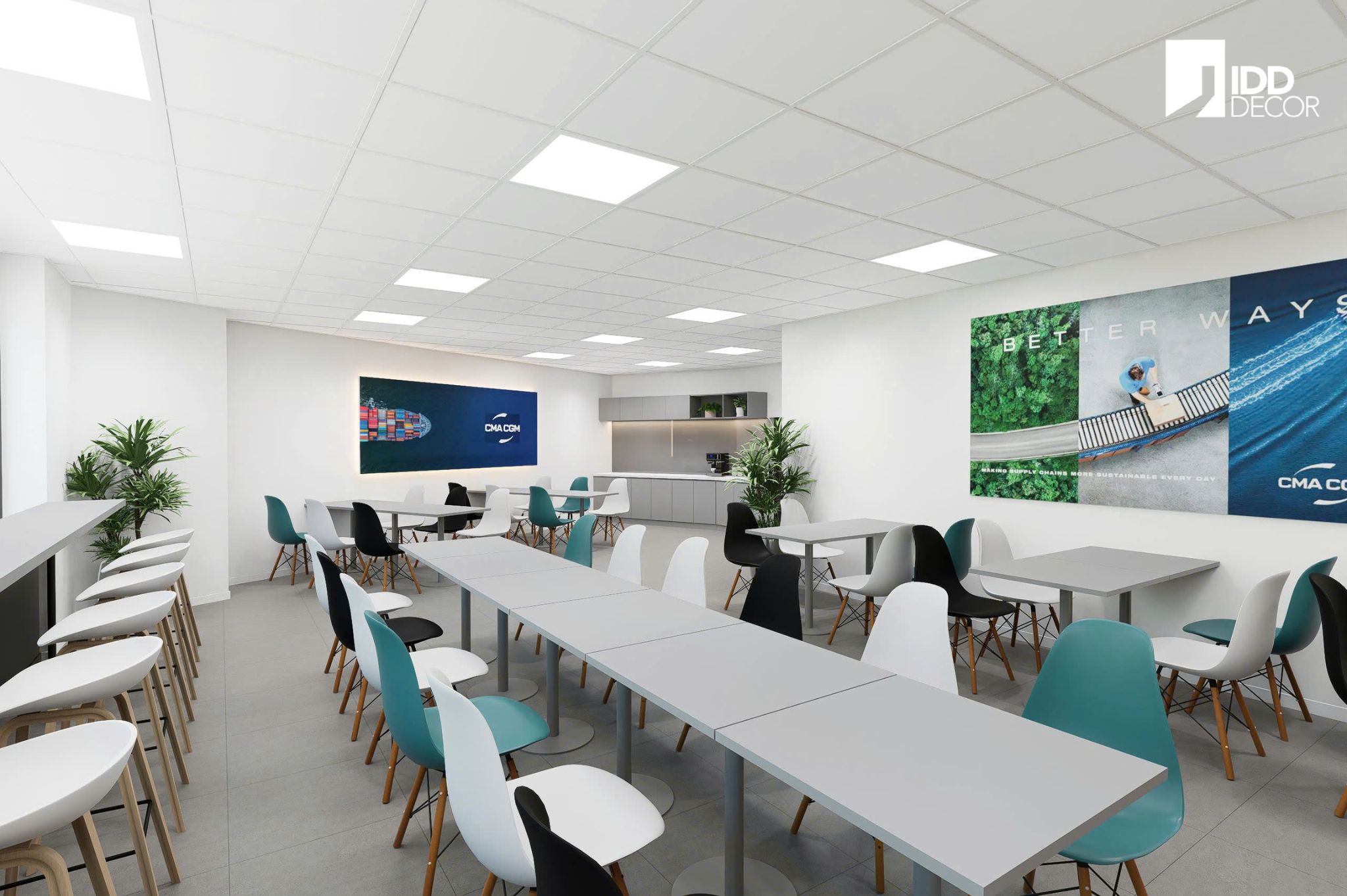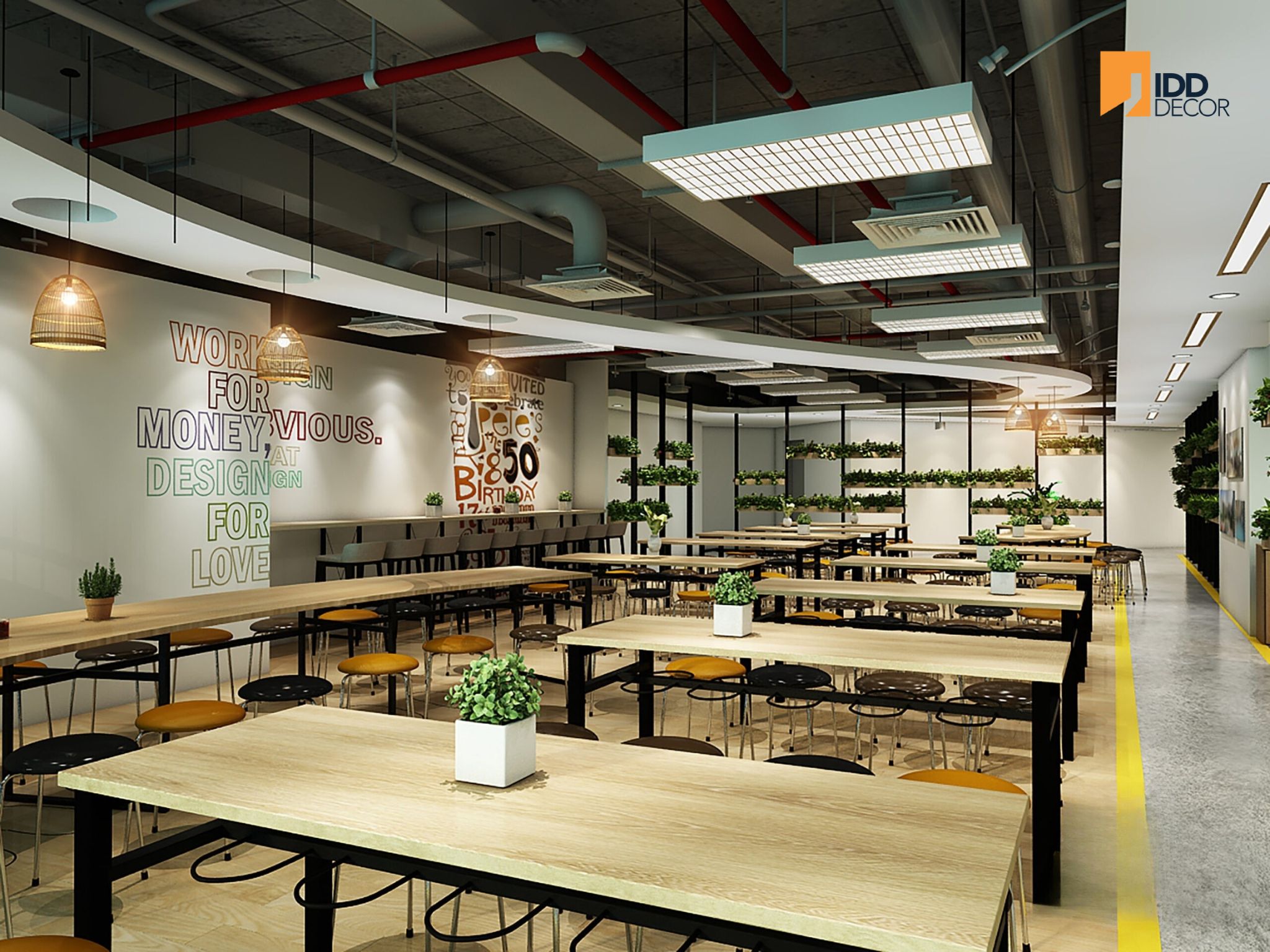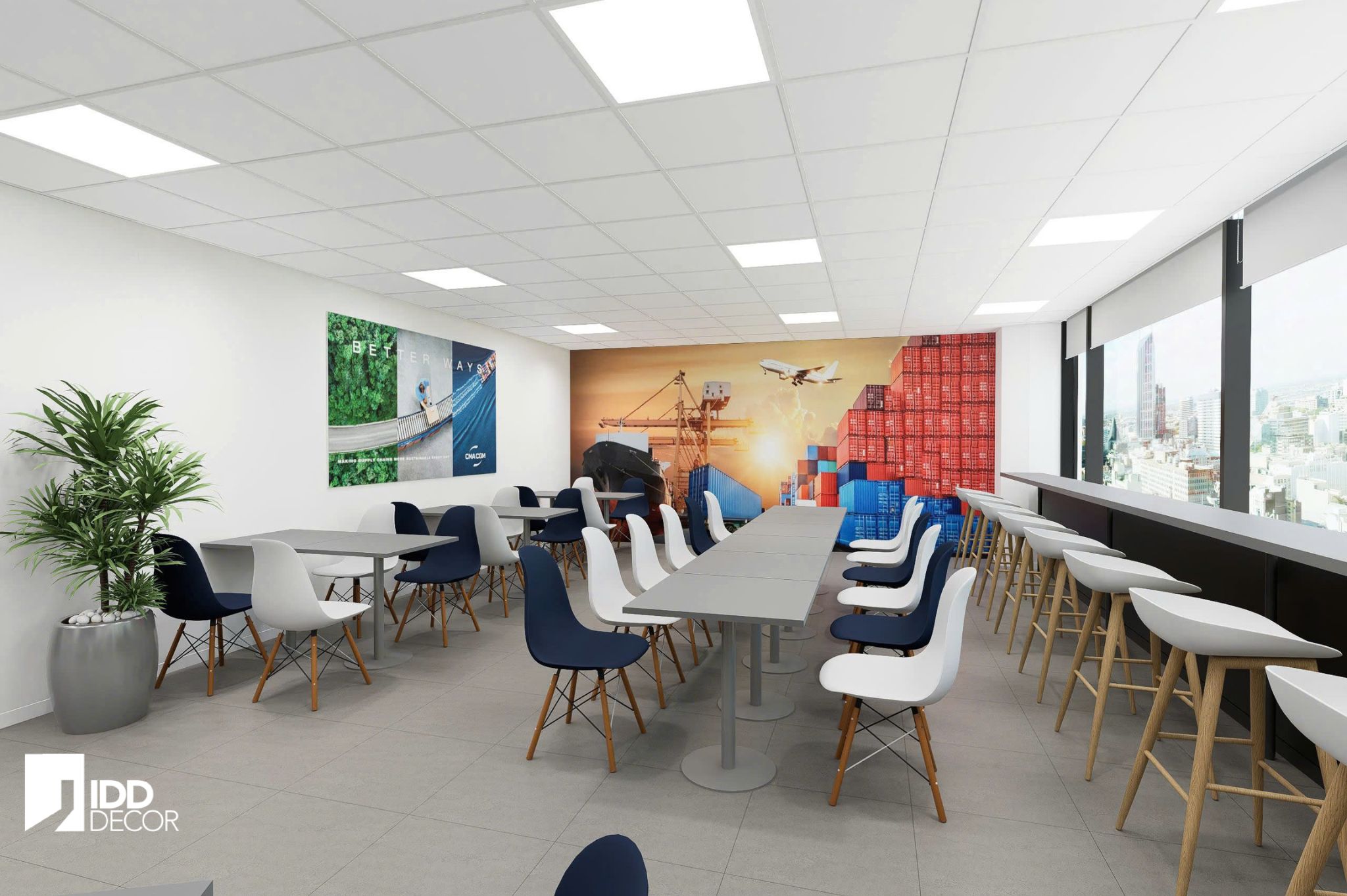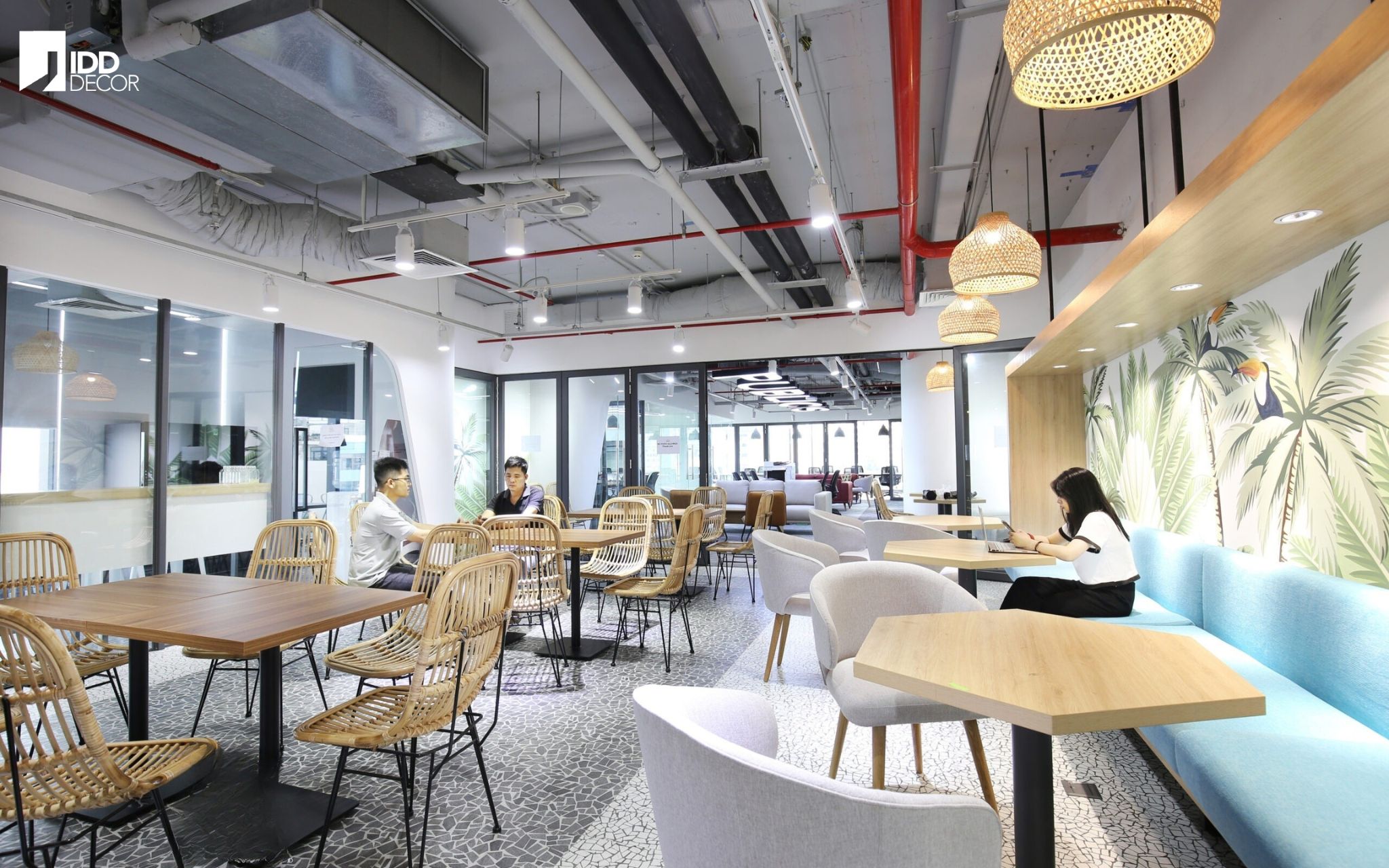

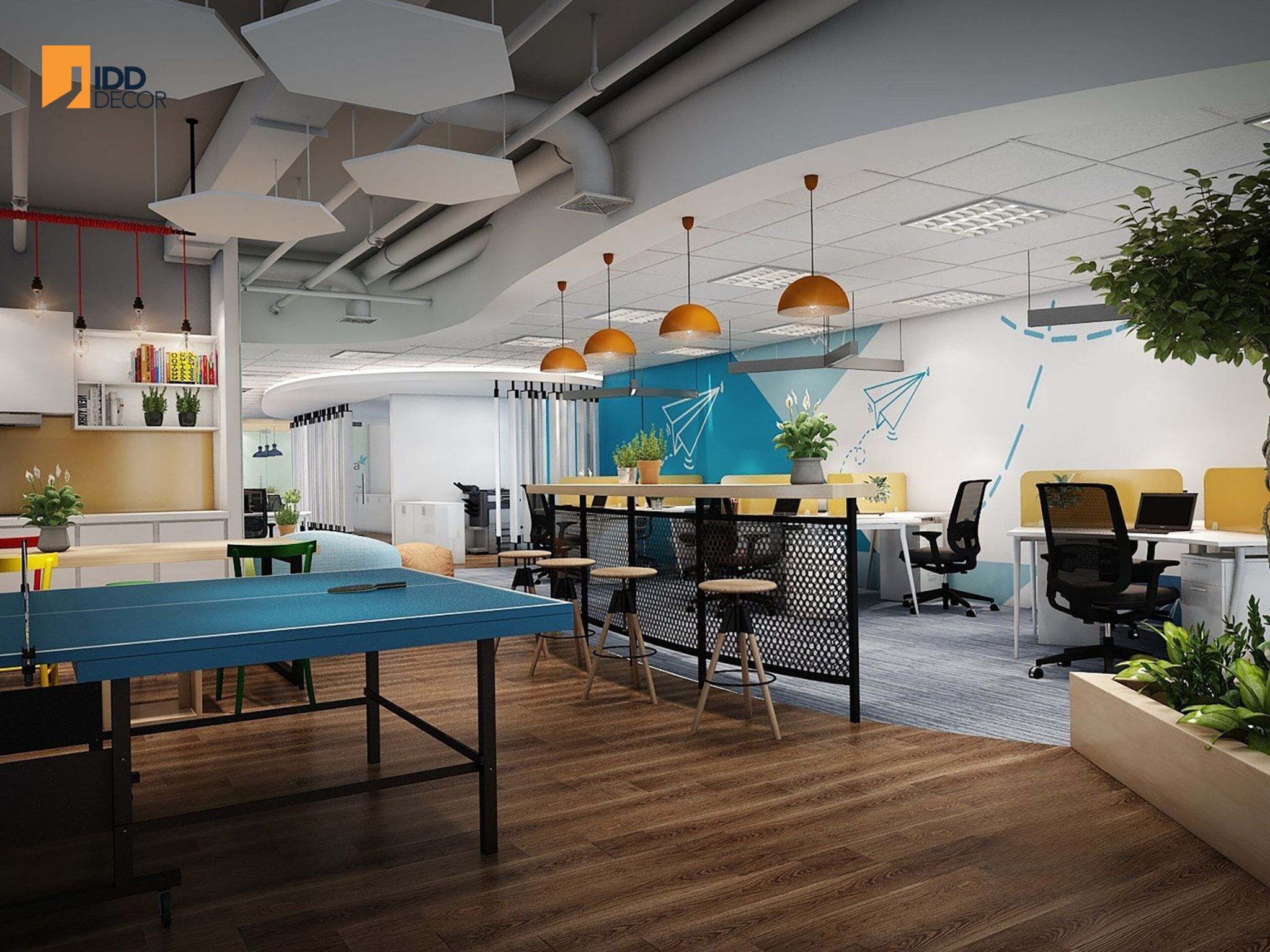
In today’s modern workplace, the pantry has moved far beyond its traditional role as a place for coffee breaks or meals. It has evolved into the office’s “social hub,” where so-called “casual collisions” occur—spontaneous interactions that naturally foster team bonding. These informal moments of communication outside formal work contexts are the foundation of employee engagement, creativity, and the development of corporate culture.
In this article, IDD Decor explores the philosophy and practical solutions behind pantry interior design that is not only visually appealing but also strategically driven. We analyze the core principles that transform the pantry into a powerful lever for encouraging natural employee interaction, strengthening team spirit, and retaining top talent.
Investing in a high-quality pantry design is a strategic decision that influences multiple aspects of a company’s operations.
The concept of the “third place” suggests that people need a space outside their home and primary workplace to socialize and relax. Within the office environment, the pantry is the only area that perfectly fulfills this role. It acts as a soft transition between high-pressure workspaces and the outside world, allowing employees to move easily from intense focus to relaxation and social interaction.
In modern work models such as Activity-Based Working (ABW), the pantry is not solely for dining. It also serves as a temporary workspace where small teams can hold quick huddles, engage in informal discussions, or work independently in a lower-pressure environment than their main desks. Pantry design should therefore integrate power outlets, high-speed Wi-Fi, and writable surfaces such as whiteboards to support these activities.
A relaxing environment featuring warm lighting, greenery, and soft background music can interrupt cycles of stress. When employees step away from their desks and enter the pantry, they are given permission to mentally reset, reducing stress and preventing burnout. This ensures that when they return to work, they are re-energized and more productive.
Casual conversations over coffee about vacations, hobbies, or daily life often lead to breakthrough business ideas or innovative solutions. Numerous studies indicate that up to 70% of creative solutions do not originate in meeting rooms, but from informal conversations. A smart pantry design maximizes both the frequency and duration of these valuable “collisions.” From this perspective, the pantry becomes an indispensable tool for energy management and creativity within modern corporate culture.
A well-designed, fully equipped pantry is a tangible expression of a company’s care for its employees. This creates a positive emotional touchpoint, making employees feel valued and appreciated, thereby increasing loyalty.
Today’s candidates place great emphasis on the working environment, and the pantry is often one of the most closely observed spaces during office tours. A modern, impressive pantry design offers a clear competitive advantage in attracting and retaining top talent.
To transform the pantry into a true social hub, design principles must actively encourage interaction rather than isolation.
The pantry should be centrally located and easily accessible from most primary work areas. At the same time, it should be separated by corridors or lightly soundproofed glass partitions to prevent noise from disrupting focused work zones. Positioning the pantry at the intersection of main circulation paths helps maximize foot traffic.
Common appliances such as coffee machines, water dispensers, and refrigerators should be strategically spaced apart. This layout encourages movement and waiting at multiple points, increasing the likelihood that employees will meet and initiate conversations with colleagues they do not usually interact with. This is one of the most effective ways to generate meaningful “casual collisions.”
A professional pantry design is not a uniform space, but rather a combination of seating types that accommodate diverse employee needs.
This zone typically uses large communal tables, high bar tables, and bar stools. It is ideal for lively conversations, energetic interactions, and shared meals.
Low sofas, small coffee tables, and individual lounge chairs create a quieter area for rest, reading, or more private and intimate conversations. This zone should be located away from the noisy kitchen area.
Unlike primary workspaces, which often use neutral tones to enhance concentration, pantry interiors should prioritize warm and vibrant colors such as yellow, orange, or earthy red. These colors are proven to stimulate appetite and social interaction, creating a cheerful and welcoming atmosphere.
Lighting should be warm (below 3500K) and softer than in work areas, creating a relaxed, home-like ambiance. Gentle, instrumental background music helps fill awkward silences and encourages conversation. Applying psychological and circulation principles is fundamental to successful pantry interior design.
To effectively promote team bonding, pantry design must be fully equipped and optimized for functionality.
Cost-cutting on essential appliances should be avoided. High-quality coffee machines, large-capacity refrigerators, microwaves, and especially modern water filtration systems are necessary. Even minor inconveniences in appliance use can significantly reduce pantry usage frequency.
Countertops should be made of waterproof, scratch-resistant, and easy-to-clean materials such as engineered stone or granite. Flooring should be water-resistant and easy to maintain, meeting food safety and hygiene standards to keep the pantry clean and inviting.
High bar tables save space and encourage dynamic postures, making them ideal for short conversations lasting five to ten minutes. In contrast, low sofa lounge areas provide maximum comfort for longer interactions or lunch breaks.
Integrating small lockable storage units allows employees to store personal items and snacks. This not only keeps the pantry organized but also creates a sense of ownership and security.
Adding entertainment features increases dwell time and creates more opportunities for casual interaction.
Games such as foosball, chess, or even console gaming areas—when aligned with company culture—are excellent catalysts for breaking down departmental barriers.
Physical notice boards or digital screens can display informal information such as birthdays, team activities, or personal achievements. Encouraging employees to decorate a small gallery wall with photos or light graffiti further enhances engagement and a sense of belonging. A well-designed pantry must balance culinary functionality with social interaction.
Selecting a pantry design style must align with the company’s brand identity and corporate culture.
This style uses raw materials such as exposed brick, concrete, black metal, and visible ceiling services. It conveys energy and strength, making it suitable for technology companies, creative agencies, and startups. Industrial pantries often feature long bar counters, metal stools, and warm pendant lighting, encouraging open and informal interaction.
Scandinavian design emphasizes light wood, natural light, and minimal detailing. Furniture typically features clean lines, natural materials, and subtle greenery. This style creates a relaxed, home-like environment that encourages openness and reduces workplace stress.
This approach incorporates greenery, moss walls, rattan or bamboo materials, and tropical patterns. It creates a resort-like atmosphere that improves air quality and refreshes the senses. Biophilic design has been proven to reduce stress and enhance creativity, making it easier for employees to disconnect from work pressures and engage in friendly conversations. Choosing the right pantry style requires a balance between brand aesthetics and team bonding objectives.
To maximize team bonding effectiveness, companies should avoid the following common design mistakes.
Placing the pantry too close to quiet work zones without adequate sound insulation is a major error. Noise from conversations and equipment can significantly impact productivity. IDD Decor addresses this by using double-glazed tempered glass partitions and integrating acoustic materials such as gypsum ceilings and thick carpets.
Poor ventilation and odor control are another frequent issue. Without proper exhaust systems, food smells can spread throughout the office. IDD Decor installs independent ventilation systems and high-capacity range hoods to ensure fresh air at all times.
Insufficient appliance capacity for the number of employees often leads to queues and frustration rather than pleasant interaction. IDD Decor calculates equipment capacity based on a 1:20 ratio and prioritizes fast, automated appliances.
Overusing large, fixed furniture such as traditional meeting tables can obstruct movement and limit spontaneous encounters. IDD Decor recommends modular, movable furniture with wheels, combining standing bar tables for quick interactions and sofa seating for longer relaxation. Avoiding these mistakes ensures the pantry becomes an asset rather than a cost burden.
IDD Decor has successfully delivered numerous innovative pantry design projects that actively support team bonding for leading clients.
 |
6.1. Project 1: Pantry Integrated with Gaming and Fitness Areas – TravelokaThis project integrates gaming zones, foosball tables, and light yoga or gym corners, using youthful and energetic colors. The pantry focuses on shared activities that naturally encourage interaction between employees from different departments through games and physical movement. |
|
|
|
||
6.2. Project 2: Tropical Garden-Themed Pantry for an Advertising Agency – Publicis GroupeDesigned in a biophilic and tropical style, this pantry features moss walls, rattan seating, natural light, and vibrant colors. It transforms the space into a mini retreat, helping employees relieve creative pressure and engage in relaxed, open-ended conversations. |

|
7.1. What is the standard area for a pantry?
There is no fixed standard, but a common guideline is a ratio of 1:10 (1 m² of pantry space per 10 m² of total office area) or at least 1.5–2 m² per employee. Companies that prioritize team bonding may allocate more space.
7.2. How can food odors be prevented from spreading into work areas?
This requires an independent industrial-grade exhaust and ventilation system, separate from the main office HVAC, along with easy-to-clean materials to prevent odor buildup.
7.3. Does pantry design need to follow feng shui principles?
According to modern feng shui philosophy, the pantry should maintain good energy flow through proper lighting and ventilation, remain clean, and avoid psychological conflicts such as excessive noise near work zones.
7.4. Which furniture elements are most important for team bonding?
High bar tables and lounge sofas are the most important. Bar tables encourage quick, multi-group interaction, while sofas foster intimacy and longer conversations.
7.5. Which colors are best for pantry interiors?
Warm colors such as yellow-orange, brick red, or fresh green are ideal. These colors promote positivity, reduce stress, and stimulate appetite according to color psychology.
Pantry interior design is not merely a service; it is an investment in people and corporate culture. From optimizing traffic flow to create “casual collisions” to selecting colors that encourage communication, every design detail serves one ultimate goal: enabling employees to connect naturally and build sustainable team bonding.
With extensive experience in strategic pantry design, IDD Decor is committed to delivering spaces that are not only visually appealing but also function effectively as social hubs where energy and creativity are continuously renewed. Contact us today for in-depth consultation and a pantry interior design solution perfectly tailored to your business.
IDD Decor – Office Interior Design – Behind every door is a pathway to success
Address: Doxaco Building, 307B Nguyen Van Troi, Tan Son Hoa Ward (formerly Ward 1, Tan Binh District), Ho Chi Minh City
Hotline: 0896 640 986
Website: idddecor.com
LinkedIn: https://www.linkedin.com/company/idddecorvn/