

Lighting—both natural and artificial—is a key factor in modern Feng Shui design. According to studies in human-centered design, environments with appropriate natural light improve mental health, work performance, and social connection, while reducing energy consumption and promoting a “green” workplace—directly aligning with the Environmental pillar of ESG. This approach resonates strongly with international corporations pursuing sustainable and human-centric development as they expand their offices in Vietnam.
According to the European Standard EN12665, combining natural light with smart artificial lighting control systems reduces energy use and enhances overall visual quality in office spaces. This not only cuts operational costs but also lowers carbon emissions—a core focus of the Environmental pillar.
Research from Cornell and Northwestern Universities reveals that employees working near windows experience fewer sick days and improved productivity due to reduced eye strain, headaches, and fatigue.
One study found that workers in naturally lit environments experienced 51% less eye strain, 63% fewer headaches, and 56% less drowsiness.
A University of Madrid study found that natural light can increase work efficiency by up to 60% through better focus, analytical ability, and creativity.
Natural light increases serotonin—the hormone of happiness—helping employees feel uplifted and energized. A Unispace study found that well-lit, Feng Shui-balanced environments reduce stress, enhance teamwork, and improve collective engagement.
According to Mood Lighting Research and The Spruce, balanced light intensity and color temperature (warm/cool white) directly influence mood and performance. Overly cold or harsh lighting can cause tension, while soft, adjustable lighting fosters emotional balance and comfort.
Spaces designed with harmonious lighting and greenery naturally promote communication, openness, and positive energy exchange among employees.
 |
Open Discussion Area – Đại Việt GroupIDD Decor leveraged natural light through glass partitions to optimize daylight use. Workstations placed near windows allow staff daily sunlight exposure—serving both E and S aspects of ESG. |
|
|
|
||
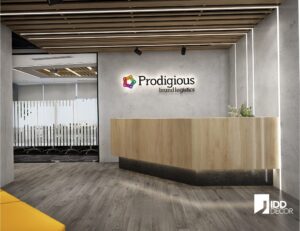
Reception Area – Prodigious (Publicis Group)Here, adjustable LED systems were integrated to balance lighting throughout the day. LED strips running seamlessly from ceiling to wall create a continuous visual effect, inspiring creativity and brand pride. |
 |
|
|
|
Work Area – Kềm NghĩaLarge glass walls in the workspace and meeting rooms bring in natural light, while indirect lighting minimizes glare. Soft hues and indoor plants provide stability and calmness—enhancing both Environmental and Social values. |
|
Group Discussion Zone – Publicis GroupeThe space fosters open, creative collaboration. Instead of standard lighting, IDD Decor installed suspended logo lights combining brand identity with daylight—instilling pride and inspiration among staff. |
|
|
|
|
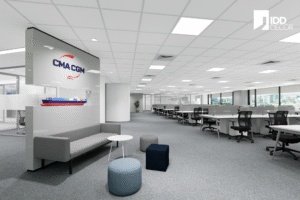
Work Space – CMA CGMAn open-plan workspace optimized for maximum daylight through large city-view windows. Ergonomic furniture and a modern ceiling lighting system ensure comfort and productivity—meeting global standards for modern office design. |
Soft white natural or LED light is ideal. Avoid fluorescent lights that cause eye fatigue and stress.
Following EN12665 standards, lighting should maintain adequate brightness, uniformity, and comfortable color temperature for visual ease.
Combine greenery, outdoor views, and natural light to strengthen human–nature connections, aligning with Healthy Building and ESG standards.
For lighting to truly advance ESG goals, companies should adopt a structured approach across three pillars: strategic placement, technical control, and functional integration.
Placement: Prioritize windows, skylights, and glass partitions in main work areas to maximize daylight and reduce dependency on electric lighting—supporting Environmental goals.
Technical Control: Use adjustable LED systems to manage brightness and color temperature according to time of day and work type—supporting Social goals.
Functional Integration: Different zones require specific lighting—focused lighting for meetings, soft lighting for relaxation areas, and neutral lighting for social spaces to encourage interaction.
When lighting is designed following modern Feng Shui and ESG standards, it not only improves operational efficiency but also builds a sustainable, people-centered work environment.
Lighting designed under modern Feng Shui principles creates harmony while reinforcing ESG values:
E (Environmental): Energy efficiency, reduced costs, and lower emissions.
S (Social): Improved health, mood, teamwork, and corporate culture.
With experience in projects such as Traveloka, Prodigious, and Kềm Nghĩa, IDD Decor understands how to balance natural and artificial lighting to achieve ESG outcomes—creating offices that are efficient, sustainable, and human-centric.
If your business wants to assess and improve lighting under Feng Shui and ESG principles, IDD Decor provides expert consulting, spatial redesign, and post-implementation measurement tailored for international companies in Vietnam.
IDD Decor – Office Interior Design – Behind the door awaits the journey to success.
📍 Address: Doxaco Building, 307B Nguyễn Văn Trỗi, Tân Sơn Hòa Ward (formerly Ward 1, Tân Bình District), Ho Chi Minh City
📞 Hotline: 0896 640 986
🌐 Website: idddecor.com
🔗 LinkedIn: IDD Decor Vietnam