
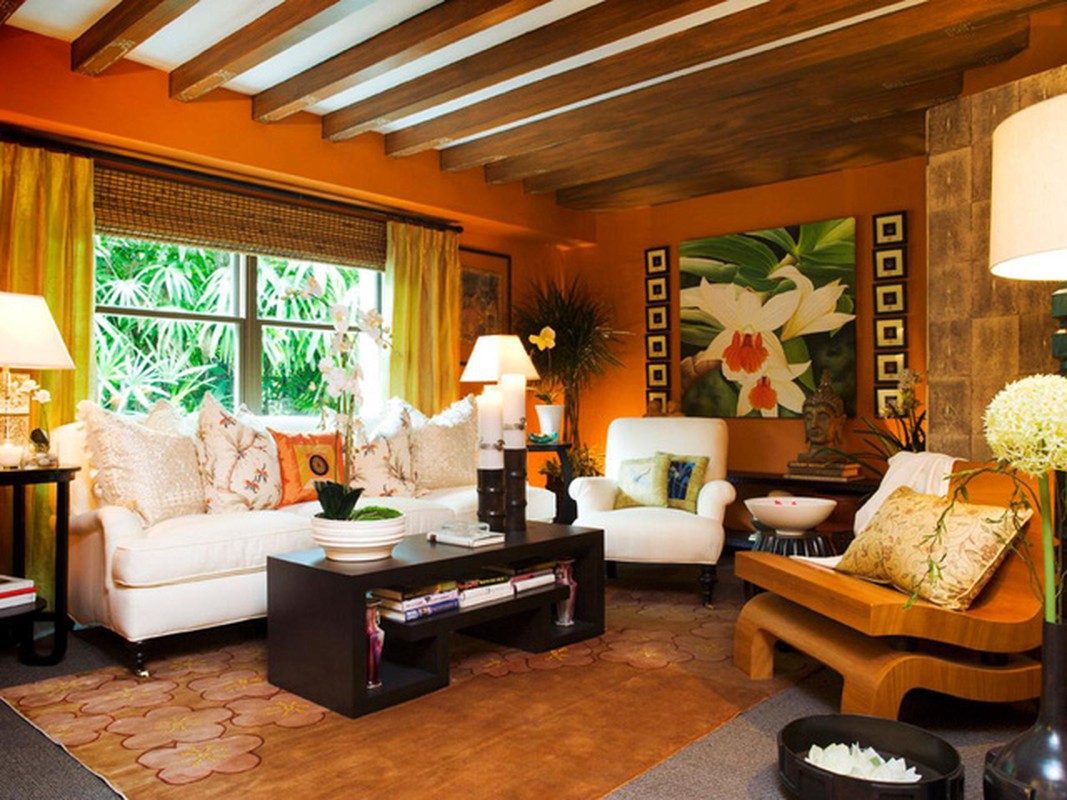
Inspired by tropical forests, the Tropical style blends vibrant colors, natural materials, and greenery to create refreshing, nature-connected, and energetic living and working environments.
The tropical zone refers to regions near the equator, bounded by the Tropics of Cancer and Capricorn. These areas are characterized by hot and humid climates year-round, providing ideal conditions for lush vegetation and dense plant life.
Tropical interior design draws inspiration from the richness and abundance of tropical nature and translates it into interior spaces, creating a cool, refreshing, and relaxing atmosphere.
This natural freshness has made Tropical a distinctive and widely loved design style, especially in Vietnam — a tropical country blessed with magnificent natural landscapes.
This endless source of inspiration is expressed through characteristic color palettes, materials, and decorative details that define an authentic Tropical space.
Color plays a critical role in interior design regardless of style or school of thought. Proper color application directly influences both aesthetic value and spatial experience.
For Tropical design, color becomes even more essential because it reflects the geographical origins of the style.
Bright tones such as orange, yellow, coral blue, or red easily evoke the blazing sunshine of South American beaches.
Meanwhile, deep wood tones, plum red, indigo purple, or earthy brown recall the feeling of rainfall in Southeast Asian tropical forests.
Applying the Tropical style in interior design
When imagining a tropical forest, what do we see and feel? Rough tree trunks? The coolness after rainfall?
To authentically recreate these sensations indoors, selecting appropriate materials is crucial:
Wood is commonly used in Tropical interiors as it evokes large tree canopies and brings warmth to the space.
Rattan and bamboo are also signature materials, as they are strongly associated with tropical regions.
Other notable materials include silk, brick, tiles, wicker, and more.
Together, these elements form the atmosphere of a “miniature tropical garden” inside the space.
Decorative details further enhance the uniqueness and vibrancy of Tropical interiors.
Greenery and vegetation are defining features:
Large potted palms or small plants are placed throughout the space to strengthen the connection with nature and create lively focal points.
Plant carpets and layered greenery help recreate the immersive feeling of being in a rainforest.
Classic and natural decorative elements include:
Wall-mounted mirrors
Grass-style pendant lights
Tropical artworks
Handcrafted items inspired by diverse cultures
All these elements blend harmoniously to create a lively and distinctive Tropical interior.
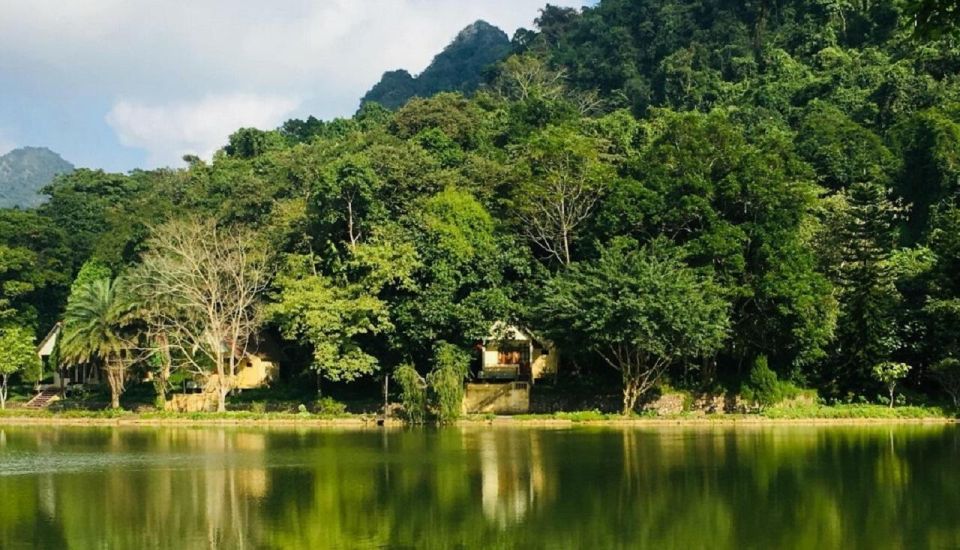
Tropical interior design combines vibrant colors, natural materials such as wood and bamboo, and decorative greenery.
This perfect fusion between tropical nature and architecture creates spaces that are warm, unique, and full of vitality through:
Colors like orange, yellow, coral blue, and deep wood tones that evoke sunshine and rainforest showers
Wood and bamboo that strengthen the connection to nature and add warmth
Hanging plants, vegetation layers, and tropical artworks that recreate natural beauty
More than just a design style, Tropical represents a lifestyle — one that embraces nature and creates emotional depth and uniqueness in living and working environments.
August 2023 – Ben Pham
Let’s revisit some interior projects where IDD Decor applied the Tropical style for clients:
Follow more outstanding interior design styles and philosophies in the “Interior Design Consulting” section by IDD Decor.
See more: Top 10 Office Interior Design Trends Leading in 2026
IDD Decor – Office Interior Design – Behind the door awaits the journey to success