

Wabi-Sabi celebrates the beauty of imperfection and authenticity. In interior design, this philosophy creates warm, honest, and emotionally rich spaces rather than pursuing absolute perfection.
“Perfectly imperfect” may sound contradictory, yet it has been a way of life for the Japanese for more than seven centuries. Wabi-Sabi embraces and elevates the beauty of imperfection, reminding us that nothing in this world is complete or flawless.
In contrast to modern society’s constant pursuit of perfection, Wabi-Sabi offers a refreshing perspective—like a gentle breeze that clears away negativity. Today, this philosophy appears widely across visual arts, ceramics, flower arrangement, architecture, interior design, poetry, and many other creative disciplines.
Understanding Wabi-Sabi requires knowledge of Japanese history and culture. It is more than simply “perfectly imperfect.” The philosophy combines two originally somber concepts: Wabi and Sabi:
Together, these ideas formed Wabi-Sabi: appreciating modesty, transience, and authenticity.
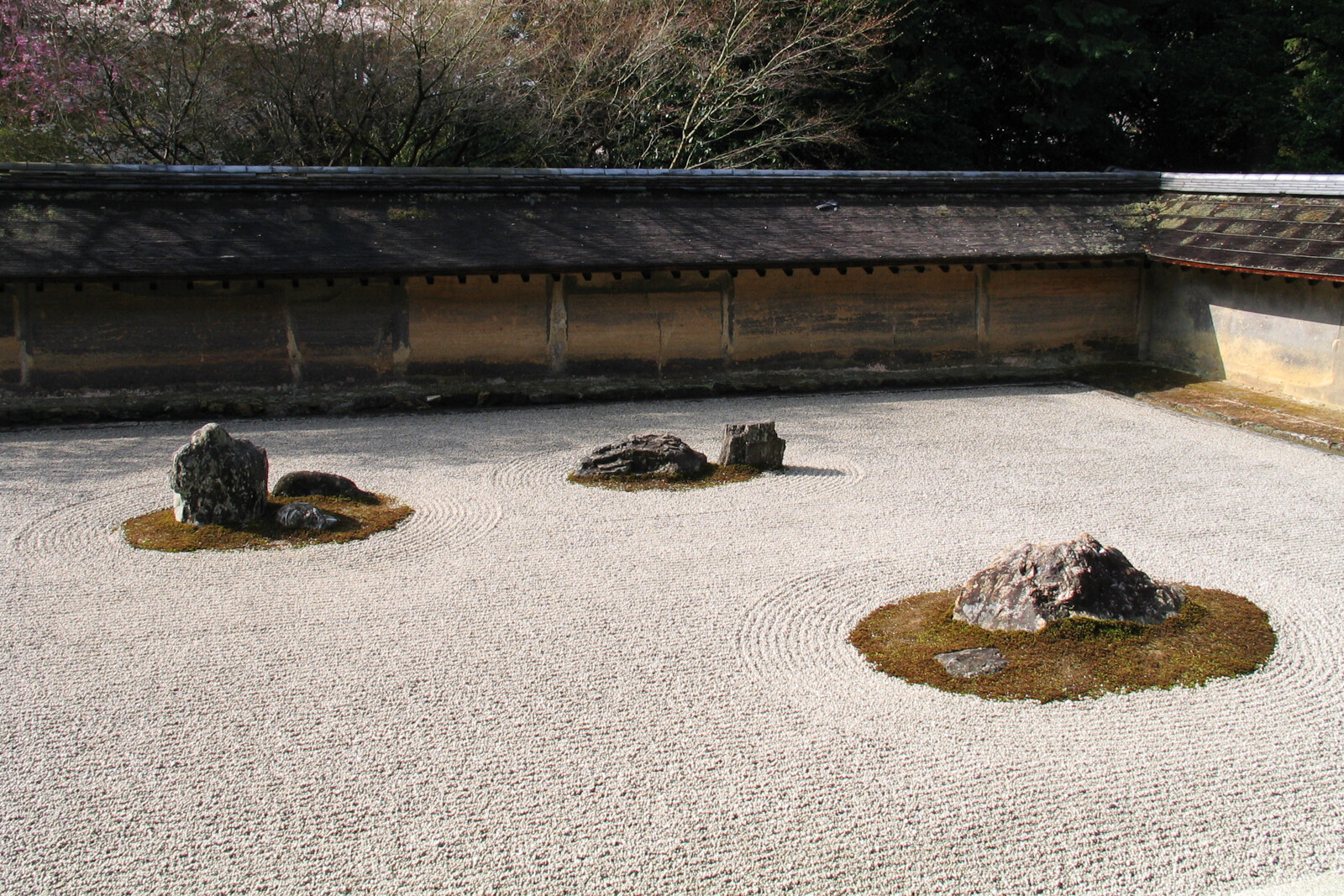
Legend traces Wabi-Sabi back to the 16th century tea master Sen no Rikyu. Before becoming a tea ceremony master, Rikyu was asked to clean a garden to perfection. After meticulously removing every imperfection, he gently shook a cherry tree, allowing petals to scatter naturally across the ground.
That spontaneous, imperfect scene made the garden truly beautiful. This story symbolizes Wabi-Sabi: perfection is achieved through natural irregularity, not artificial precision.
Wabi-Sabi in Art and Interior Design
The philosophy appears across many Japanese art forms.
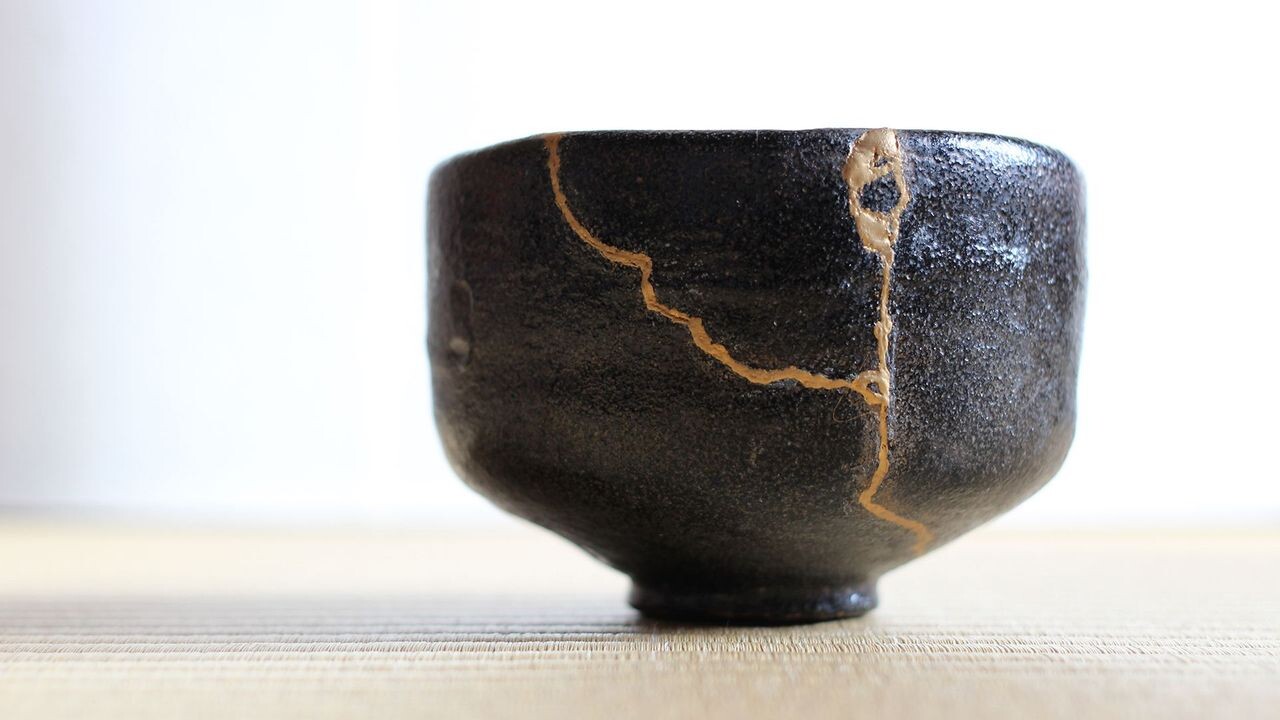
Instead of hiding cracks in broken pottery, Kintsugi repairs them with gold or silver lacquer. The cracks are highlighted rather than concealed, transforming flaws into distinctive beauty and value.
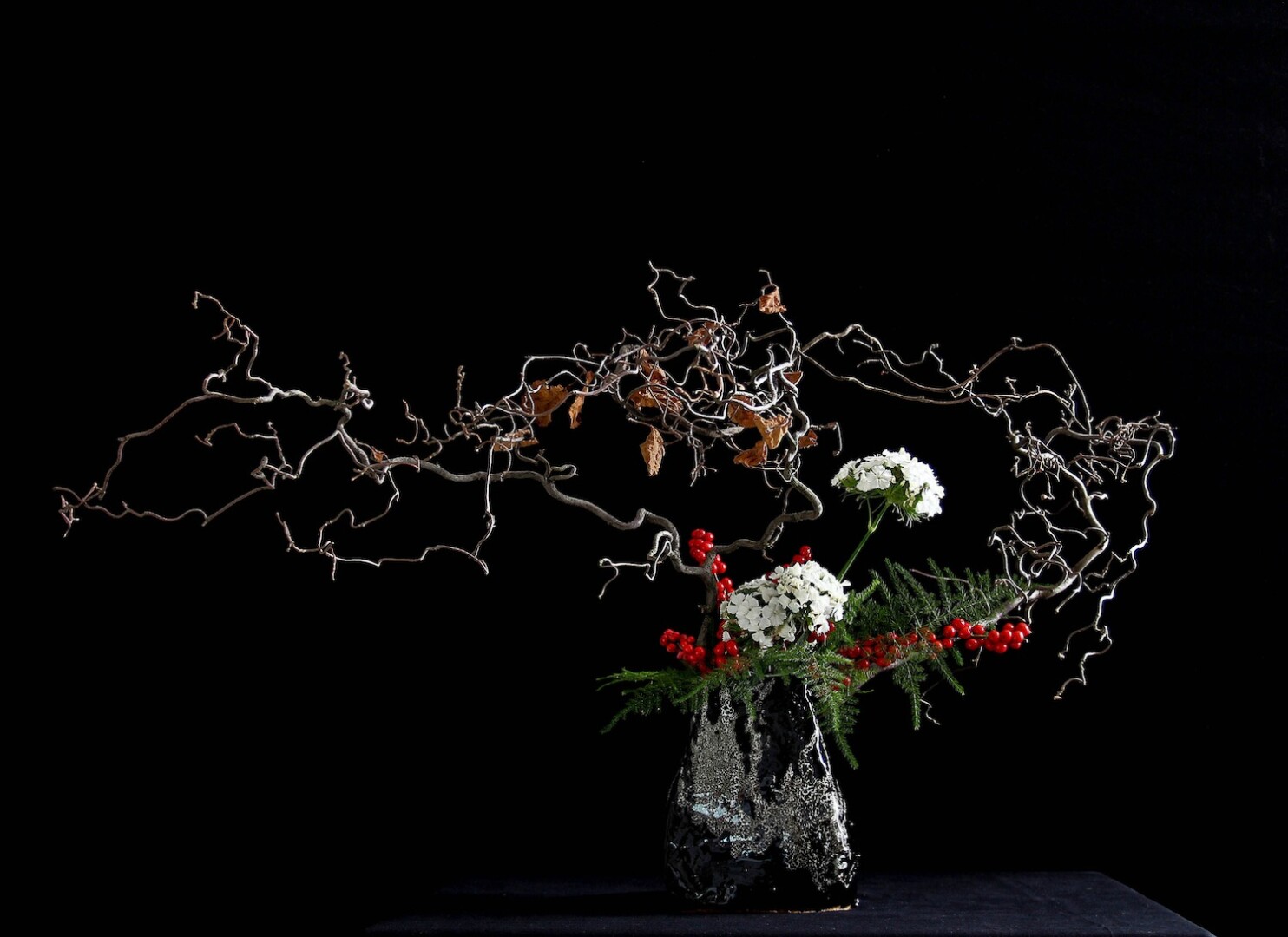
Ikebana emphasizes asymmetry, empty space, and natural forms. Rather than rigid symmetry, arrangements celebrate imbalance and organic movement. Both practices demonstrate the same principle: imperfection enhances authenticity.
In interior design, Wabi-Sabi shifts the focus away from glossy finishes and flawless surfaces. Instead, it values:
Natural materials
Aged textures
Handmade craftsmanship
Simplicity and calmness
Honest expression of time and wear
Spaces inspired by Wabi-Sabi feel warm, grounded, and human. Rough plaster walls, raw wood, stone surfaces, and subtle color palettes replace excessive decoration. The result is not minimalism for aesthetics alone, but emotional comfort and authenticity.
IDD Decor has applied Wabi-Sabi principles in various projects:
These details demonstrate how small imperfections can enrich spatial storytelling.
Wabi-Sabi teaches us that beauty lies not in flawlessness, but in authenticity and time. Whether it is a cracked ceramic bowl repaired with gold or a wall bearing natural textures, imperfection gives objects soul.
In interior design, this philosophy creates spaces that are calm, timeless, and emotionally meaningful—spaces that feel lived-in rather than manufactured. If you want to explore more interior design styles and philosophies, visit the “Interior Design Styles and Concepts” section on IDD Decor’s website or you can read more about the new trends of office interior design styles in 2026 here.
IDD Decor – Office Interior Design – Behind the door awaits the journey to success
Address: Doxaco Building, 307B Nguyen Van Troi, Tan Son Hoa Ward, Ho Chi Minh City
Hotline: 0896 640 986
Website: idddecor.com
LinkedIn: https://www.linkedin.com/company/idddecorvn